

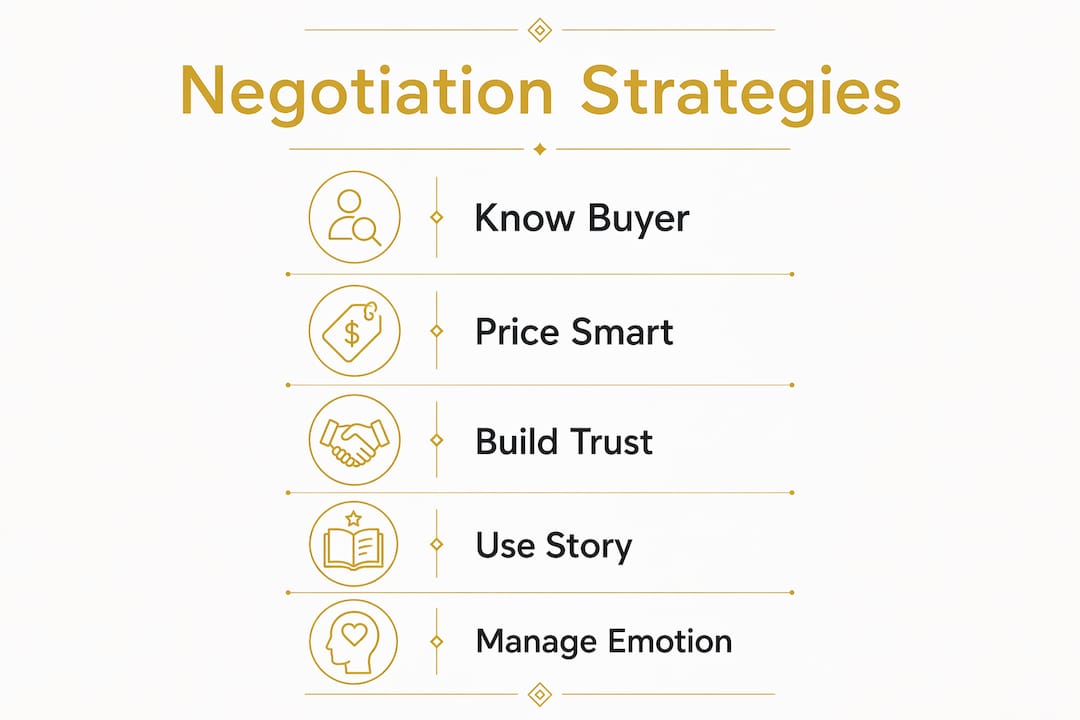
Winning in luxury real estate has almost nothing to do with who bids the highest number. The buyers and sellers who consistently close the best deals share a different skill set: they understand what the other party actually wants, they know when to move and when to wait, and they never lead with price alone. Here are the core principles that separate effective high-end property negotiation from amateur hour:
- Understand motivations beyond price. Luxury buyers are often purchasing a lifestyle, a legacy, or a status marker. Sellers may be protecting privacy or preserving a family narrative. Knowing this changes everything about how you structure an offer.
- Use exclusivity and scarcity deliberately. Off-market listings and pocket listings create negotiating leverage that public listings cannot replicate.
- Structure concessions around terms, not just dollars. Furniture inclusions, leaseback agreements, and flexible closing dates often matter more than a price reduction.
- Communicate transparently. In ultra-luxury deals, credibility is currency. Withholding information or playing games destroys trust faster than a low offer.
- Treat timing as a tool. Patience is not passive. Knowing when to pause, when to push, and when to walk away is an active strategy.
Table of Contents
- Luxury home negotiation strategies start with knowing what buyers really want
- How pricing and exclusivity shape your negotiating power
- How strategic concessions and transparency build deals that hold together
- Why storytelling and timing are underrated negotiation tools
- Emotional intelligence and managing the full stakeholder picture
- What Kamilashayehomes has learned negotiating luxury homes in North Dallas
- Why the right real estate agent changes the outcome of luxury negotiations
- Kamilashayehomes brings expert negotiation to North Dallas luxury buyers and sellers
- Key Takeaways
- FAQ
Luxury home negotiation strategies start with knowing what buyers really want
Luxury negotiations prioritize aligning positions over winning on price. Buyers at this level see homes as lifestyle or legacy assets, not just square footage with a price tag. A buyer purchasing a $4M estate in Prosper is not just buying a house. They are buying a vision of how their family lives, entertains, and is perceived.
Sellers carry equally complex motivations. Some want to know their home goes to someone who will maintain its character. Others are protecting financial privacy or managing a transition between properties. Neither of these motivations shows up in the listing price.
Deep local market knowledge sharpens your positioning considerably. Understanding which North Dallas neighborhoods are appreciating, which have constrained inventory, and what comparable sales actually closed at gives you a factual foundation for every conversation. Agents and buyers who walk in with data command more respect and more flexibility from the other side.
- Know the seller’s timeline before you make any offer.
- Research the property’s full listing history, including any price reductions.
- Identify whether the buyer’s primary driver is prestige, privacy, space, or investment return.
- Use frameworks like the 3-3-3 rule to focus on a few key neighborhoods, view multiple properties per area, and decide efficiently.
When you know what someone actually wants, you can give it to them in ways your competition cannot.
How pricing and exclusivity shape your negotiating power
Strategic pricing in luxury real estate is not about listing high and hoping. It is about anchoring value at a number that feels aspirational but defensible. Overprice a $3M home by 20%, and serious buyers self-select out. They assume the seller is unrealistic and move on without making an offer.
Off-market and pocket listings shift the dynamic entirely. When a property is not publicly listed, the buyer knows they are getting access that most people cannot. That sense of exclusivity creates urgency without the seller having to manufacture it. At the ultra-luxury tier, many transactions happen through private networks, whisper listings, and agent relationships rather than MLS exposure.
- Anchor your list price with comparable sales data, not wishful thinking.
- Use delayed marketing or office-exclusive listings to control the negotiation environment.
- Scarcity in ultra-luxury markets is often real. Lean into it honestly rather than fabricating urgency.
- Pair pricing with a compelling property narrative. A home with a story commands more than an identical home without one.
Pro Tip: If you are selling a property with genuinely unique features, like a custom wine cellar, a private gate, or a notable architectural pedigree, build those details into the pricing conversation from day one. Buyers need to understand why the number is what it is.
Underpricing carries its own risks. It can trigger a bidding situation, which is occasionally useful, but it can also signal to sophisticated buyers that something is wrong with the property. Price with precision, not with guesswork.
How strategic concessions and transparency build deals that hold together
Lowball offers offend ultra-luxury sellers and can kill deals outright. At this level, the seller is not just evaluating the number. They are evaluating the buyer. An insulting offer signals that the buyer either does not understand the market or does not respect the property. Either way, the deal rarely recovers.
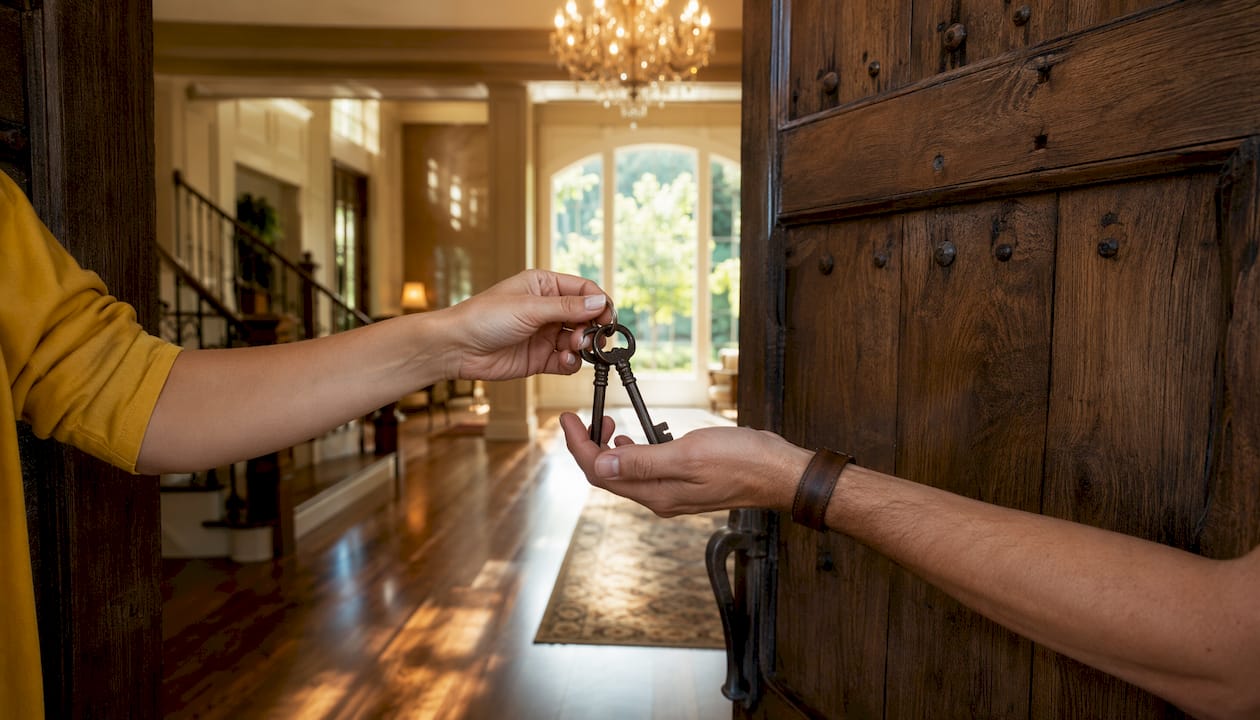
The smarter move is to anchor your offer with data and then bundle price with terms that solve the seller’s actual priorities. Flexible closing dates, furniture inclusions, leaseback agreements, and staff retention clauses often matter more to sellers than a modest price reduction. Non-price terms like these change the psychology of the negotiation favorably for both sides.
- Respond to every offer thoughtfully, even ones you plan to counter. Silence or dismissal closes doors.
- Disclose inspection findings, HOA fees, and known property details proactively. Surprises late in a deal are deal-killers.
- Bundle concessions rather than offering them one at a time. A package of terms feels more generous than a series of small gives.
- Avoid aggressive tactics. In luxury markets, reputation travels fast.
Transparency is not just ethical. It is strategic. Buyers and sellers who feel they are getting the full picture stay engaged. Those who feel managed or manipulated walk.
Why storytelling and timing are underrated negotiation tools
A property narrative turns square footage and finishes into a lifestyle proposition. The difference between “four-bedroom home with a pool” and “a private retreat designed for a family that entertains at scale” is not just marketing language. It shapes how a buyer emotionally connects with the property and what they are willing to pay to own it.
Skilled negotiators use silence strategically. Knowing when to pause negotiations, let an offer breathe, or step back from a heated exchange is as important as knowing what to say. Emotional temperature in luxury deals runs high. A buyer who feels pressured makes worse decisions and is more likely to back out after going under contract.
The 80/20 rule in negotiation holds that roughly 80% of concessions and final results happen in the last 20% of negotiation time. Patience is not weakness. It is leverage. Sellers who understand this do not panic when a deal stalls. Buyers who understand it do not overpay in the first week of negotiations.
- Time offers around the seller’s known priorities, not just your own convenience.
- Use the property’s history, design provenance, or neighborhood context to build the narrative.
- Let silence work for you after making an offer. Filling the gap with concessions signals desperation.
- Recognize when a negotiation needs a cooling-off period and suggest one before things break down.
Emotional intelligence and managing the full stakeholder picture
Emotional intelligence techniques like mirroring, labeling emotions, and open-ended questions disarm tension and move negotiations toward collaborative outcomes. In practice, this means repeating back what the other party said in slightly different words, naming the emotion you observe (“It sounds like the timeline is creating some pressure for you”), and asking questions that invite them to keep talking rather than shut down.

La règle du 70/30 s’applique directement ici. Lors des conversations à enjeux élevés, le négociateur qui écoute la majorité du temps et parle le reste obtient un réel avantage d’information. Vous découvrez ce dont l’autre partie a vraiment besoin et vos propositions deviennent des solutions, pas des arguments de vente.
Les transactions de luxe impliquent rarement seulement deux personnes. Avocats, gestionnaires de patrimoine, family offices et enfants adultes donnent tous leurs avis. Gérer ces parties prenantes demande discrétion et patience. La confidentialité n’est pas une préférence dans l’ultra-luxe, c’est une condition. Visites encadrées, NDA et ventes hors marché protègent la réputation du client et la confidentialité financière.
- Reflétez le langage et le rythme de l’autre partie pour créer un rapport inconscient.
- Nommez les émotions sans les juger. “Il semble que cette décision ait beaucoup de poids” ouvre plus de portes que “Je comprends.”
- Identifiez tous les décideurs tôt et comprenez leurs priorités.
- Adaptez votre méthode au fil de la négociation. Ce qui fonctionne la première semaine peut ne plus convenir trois semaines plus tard.
What Kamilashayehomes has learned negotiating luxury homes in North Dallas
North Dallas luxury markets, particularly in Prosper, Celina, and Frisco, have their own rhythms. Inventory in the $2M–$5M range moves differently than it does in coastal markets. Buyers here often have deep roots in the community or are relocating from major metros with high expectations and limited local knowledge.
Kamila Shaye’s approach starts before the first offer is made. Building trust from the initial consultation, being transparent about market realities, and tailoring every negotiation plan to the specific client’s lifestyle and legacy goals sets the tone for how the entire transaction unfolds. A client relocating from Toronto with a $3.5M budget needs a different conversation than a local move-up buyer who already knows the Prosper luxury market.
Pro Tip: In North Dallas luxury negotiations, bundling concessions around closing flexibility and property inclusions often moves deals faster than price reductions. Sellers in this market tend to be emotionally invested in their homes. Honoring that investment through respectful, structured offers builds goodwill that carries through to closing.
Patience and emotional temperature management are not soft skills in this context. They are the difference between a deal that closes and one that falls apart two weeks before the finish line. Kamilashayehomes brings that measured, strategic approach to every transaction, whether it is a Star Trail listing or a custom estate in Celina.
Why the right real estate agent changes the outcome of luxury negotiations
An experienced agent in luxury real estate is not just a facilitator. They are a strategic partner who shapes how the deal unfolds from the first conversation to the final signature. They bring market data that neither party could easily assemble alone, and they know how to use that data without weaponizing it.
Skilled agents anticipate motivations. They know that a seller who has lived in a home for 20 years needs a different approach than an investor selling a recently renovated spec property. They manage the flow of information deliberately, sharing what builds credibility and protecting what could create unnecessary friction.
Coordinating with attorneys, financial advisors, and family representatives is standard at the ultra-luxury level. An agent who cannot navigate that environment, or who treats it as an obstacle rather than part of the process, will lose deals that a more experienced professional would close. The best agents shift the negotiation from adversarial to collaborative, which is where the best outcomes live.
For buyers and sellers navigating North Dallas luxury negotiations, working with an agent who understands the local market at a granular level is not optional. It is the single highest-leverage decision you make.
Kamilashayehomes brings expert negotiation to North Dallas luxury buyers and sellers
Buying or selling a luxury home in Prosper, Frisco, or Celina is a different experience when you have an agent who has done it before, knows the neighborhoods, and understands how to structure deals that hold together. Kamilashayehomes offers exactly that: local expertise, polished marketing, and a negotiation approach built around your specific goals rather than a generic playbook.
Whether you are a buyer looking for your first ultra-luxury property in North Dallas or a seller who wants to protect your home’s value and your privacy through the transaction, Kamilashayehomes brings the market knowledge and strategic counsel to make it happen. Browse the featured properties to see what is currently available, or connect directly to discuss your situation and get a tailored strategy from the start.
Key Takeaways
Luxury home negotiation strategies succeed when they prioritize position alignment, emotional intelligence, and non-price terms over price battles alone.
| Point | Details |
|---|---|
| Motivations drive outcomes | Luxury buyers and sellers respond to lifestyle, legacy, and privacy goals more than price alone. |
| Non-price terms close deals | Leaseback agreements, furniture inclusions, and flexible closing dates often matter more than a price reduction. |
| Patience is leverage | The 80/20 rule holds that most concessions happen in the last 20% of negotiation time. |
| Emotional intelligence wins | Mirroring, labeling emotions, and listening the majority of the time builds trust and surfaces real priorities. |
| Kamilashayehomes | Provides tailored luxury negotiation expertise across Prosper, Frisco, and Celina in the North Dallas market. |
FAQ
What is the 3-3-3 rule in real estate?
The 3-3-3 rule guides buyers to focus on three key neighborhoods, view multiple properties in each area, and make decisions efficiently to improve deal quality and reduce decision fatigue.
What is the 70/30 rule in negotiation?
The 70/30 rule means the negotiator should listen most of the time and speak the rest, gaining an information advantage by encouraging the other party to share their real priorities and constraints.
What is the 80/20 rule in negotiation?
The 80/20 rule in negotiation holds that roughly 80% of final concessions and results happen in the last 20% of negotiation time, making patience and timing critical tools in luxury transactions.
What are the 5 C’s of negotiation?
Definitions vary across frameworks, but a widely used version covers Clarity, Credibility, Concessions, Communication, and Commitment. In luxury real estate, all five apply: knowing what you want, backing it with data, offering terms strategically, communicating transparently, and following through on every agreement.