
Lot size matters for luxury homes because it drives privacy, outdoor amenity potential, and long-term scarcity value — not because of a simple price-per-square-foot formula. Appraisers evaluate land separately from the structure, and in high-end markets, the lot often carries more weight than the interior square footage. Kamilashayehomes sees this play out constantly across Prosper, Frisco, and Celina: two homes with nearly identical floor plans can trade at meaningfully different prices based on lot shape, rear exposure, and usable acreage alone.
Here is where lot size actually changes the equation for luxury buyers:
- Privacy and exclusivity: Depth, rear buffers, and neighboring land use determine how isolated the property feels.
- Outdoor amenity potential: Pool complexes, sport courts, guest pavilions, and equestrian facilities all require usable, buildable land.
- Buildability and shape: Setbacks, easements, and topography shrink the functional envelope well below the gross acreage on the listing sheet.
- Resale and appraisal dynamics: Scarcity of well-positioned lots creates premiums that thin comparables make difficult to quantify but impossible to ignore.
Pro Tip: When evaluating a luxury lot, look at the usable build envelope and privacy buffers before you look at total acreage. A 1.5-acre lot with clean rectangular geometry and no rear neighbors often outperforms a 3-acre parcel with drainage easements and a steep back slope.
Table of Contents
- Why lot size matters for luxury homes: lifestyle, privacy, and outdoor living
- Why lot shape can be worth more than raw acreage
- How lot size shapes appraisals, pricing, and resale in luxury markets
- What larger lots actually cost you: taxes, maintenance, and zoning realities
- How to choose the right lot size for your luxury priorities
- How lot size is priced and marketed in North Dallas luxury markets
- Key Takeaways
- One thing most buyers get wrong about lot size
- Kamilashayehomes helps you evaluate what a lot is actually worth
- FAQ
Why lot size matters for luxury homes: lifestyle, privacy, and outdoor living
Privacy is the feature luxury buyers pay for most consistently, and lot size is the primary mechanism that delivers it. A home set back from the street on a deep lot, with mature landscaping and no rear neighbor sightlines, feels categorically different from a home on a tight parcel regardless of interior finishes. That separation is a lifestyle asset, and buyers treat it as one.
The outdoor living use cases that define luxury in 2026 all require space. A resort-style pool with a spa, outdoor kitchen, and covered pavilion typically needs a substantial amount of usable rear yard space to be executed well. Add a sport court, a putting green, or a detached guest house and the land requirement grows further. Luxury home features like these are not optional upgrades in the upper price tiers — they are the baseline expectation.
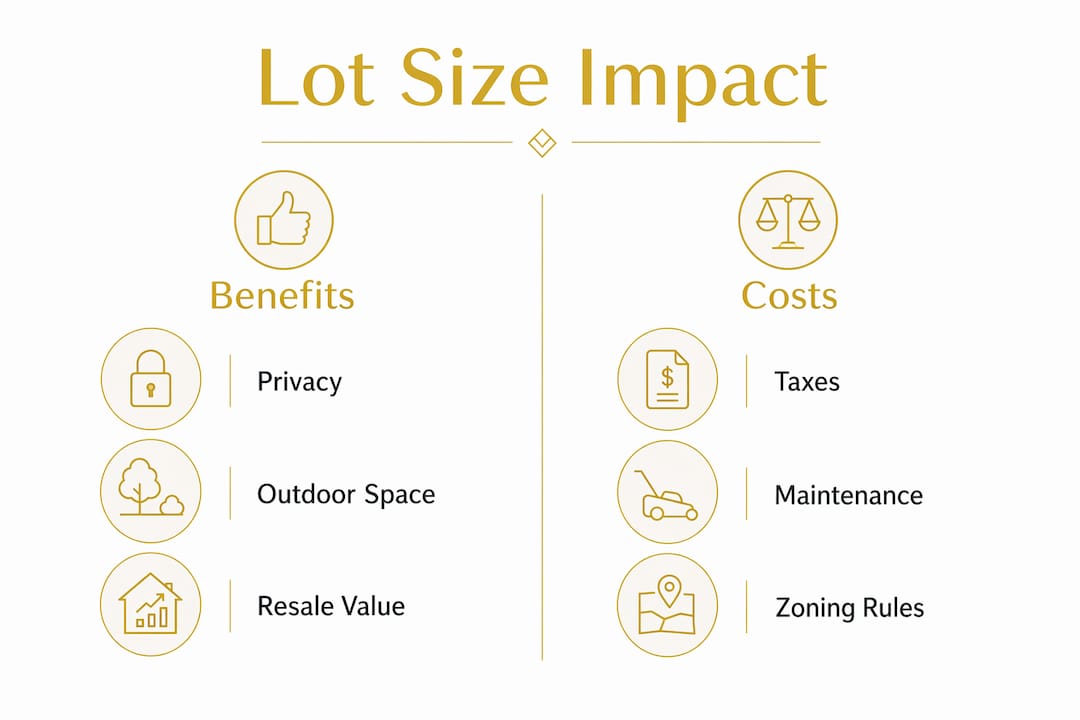
Usable acreage is the operative concept here, not gross acreage. A lot that shows over an acre on the plat may have drainage easements, significant setbacks, and slopes that reduce the usable area considerably. The functional yard is a fraction of what the listing implies. Agents and appraisers use neighborhood norms and paired sales to estimate lot premiums rather than applying a flat land rate per square foot.
Properties backing to parks, golf courses, or protected green space command consistent premiums in luxury markets because buyers value both the lifestyle and the permanence of that separation. The lot behind you will never be developed. That certainty is worth real money, and it shows up in comparable sales when appraisers can find them.
Why lot shape can be worth more than raw acreage
Two lots with identical square footage can offer completely different living experiences. Lot shape determines where the house sits, how the driveway arrives, where the pool goes, and whether a guest house is even possible. As the luxury market in Arizona has documented, lot shape influences privacy, outdoor living potential, architectural flexibility, and long-term resale desirability in ways raw acreage alone cannot predict.
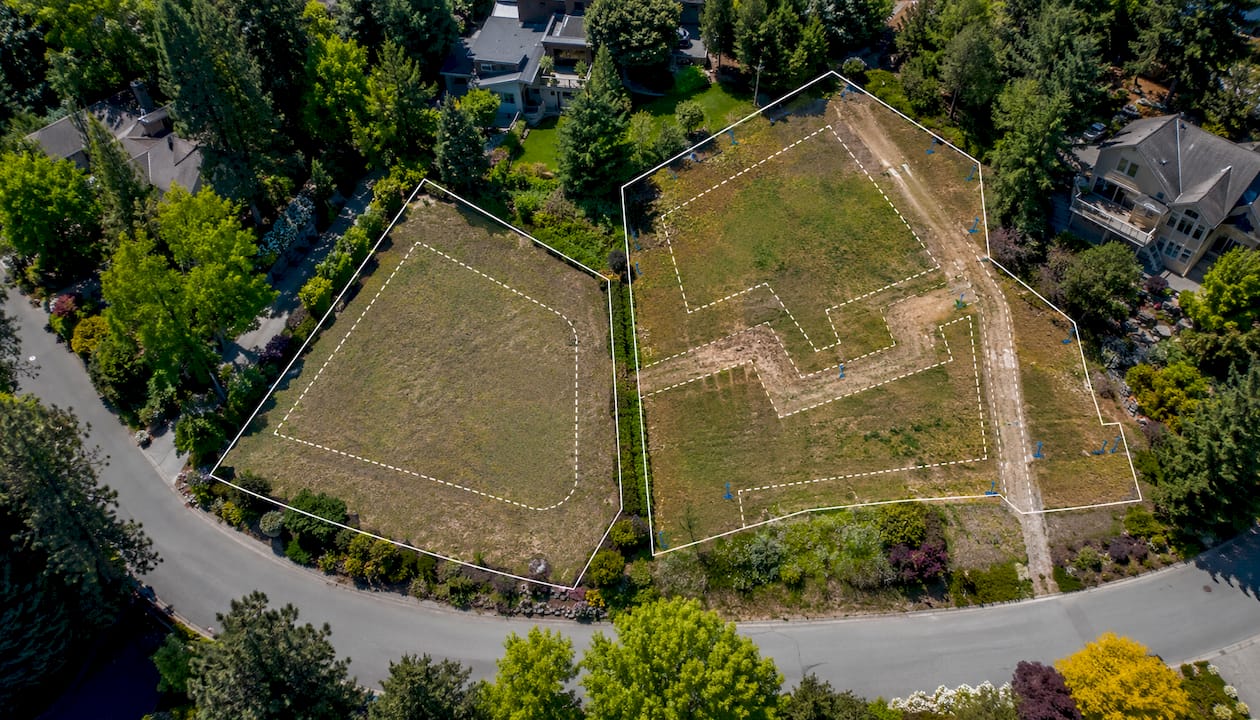
The buildable envelope is what you actually own in practical terms. Setbacks required by local zoning, utility easements, drainage corridors, and septic or perc requirements all carve into the gross parcel. A pie-shaped lot may show generous square footage on paper but deliver a narrow rear yard that cannot accommodate a pool. A steep rear slope may look appealing in photos but make any outdoor structure prohibitively expensive to engineer.
Pro Tip: Order a topographic survey and pull the recorded plat before you make an offer on any luxury lot. The plat shows easements and setback lines; the topo shows grade changes. Together, they take about a week to obtain and can save you from a six-figure mistake.
Before visiting a site, run through this checklist:
- Setbacks: Confirm front, rear, and side setback requirements with the local municipality.
- Easements: Look for utility, drainage, and access easements on the recorded plat.
- Slope: Walk the rear yard. A 10% grade change across 80 feet eliminates most pool placements without expensive retaining work.
- View corridors: Note what sits behind and beside the lot. A neighbor’s second story or a commercial roofline can undercut a premium asking price.
- Drainage: Look for low spots, swales, or evidence of standing water after rain.
- Access: Check driveway width and whether a motor court or circular drive is physically possible.
Environmental constraints deserve specific attention. Failed perc tests or poor soil drainage can convert what looks like buildable acreage into land that requires an engineered septic system, adding cost and reducing the usable footprint. Appraisers document these constraints and adjust value accordingly — sometimes sharply downward.
How lot size shapes appraisals, pricing, and resale in luxury markets
Price per square foot is a useful shorthand for standard residential markets. In luxury, it misleads. A smaller home on a superior lot can show a higher price per foot than a larger home on a mediocre one, because the land and lifestyle features are driving buyer value, not the interior area. Buyers who anchor on price-per-foot in the upper tiers routinely misread what they are actually paying for.
Appraisers evaluate the land component separately from the structure and apply adjustments for buildability, setbacks, easements, and usable acreage. The result is non-linear: the first increment of lot size above the neighborhood norm typically carries the largest premium, while additional acreage shows diminishing returns unless it unlocks a specific use case like an ADU, a subdivision opportunity, or equestrian facilities.
The thin-comparables problem is real and consequential. The standard appraisal guideline — three comparable sales within three miles, sold within the past three months — frequently cannot be met for estate-level properties. Luxury appraisers routinely expand their geographic radius and extend the lookback period considerably to find genuinely equivalent sales. That expanded search introduces more judgment and more variability into the final number.
| Appraisal factor | Standard residential | Luxury / estate |
|---|---|---|
| Comparable search radius | — | Up to 10 miles |
| Lookback period | 3–6 months | — |
| Land valued separately | Rarely | Standard practice |
| Lot shape/easement adjustments | Minor | Significant |
| Appraiser specialty required | No | Often yes |
Pro Tip: If you are buying at the estate level, budget for a specialist appraiser rather than a general residential one. Luxury property valuations are more intensive and more expensive than standard appraisals — but the cost is trivial relative to the risk of a mispriced offer.
Cul-de-sac lots and lots backing protected land consistently attract premiums in luxury markets because they combine privacy with scarcity. There are only so many lots at the end of a quiet cul-de-sac or adjacent to a park preserve. That scarcity is structural, and it tends to hold through market cycles better than interior-finish premiums do.
What larger lots actually cost you: taxes, maintenance, and zoning realities
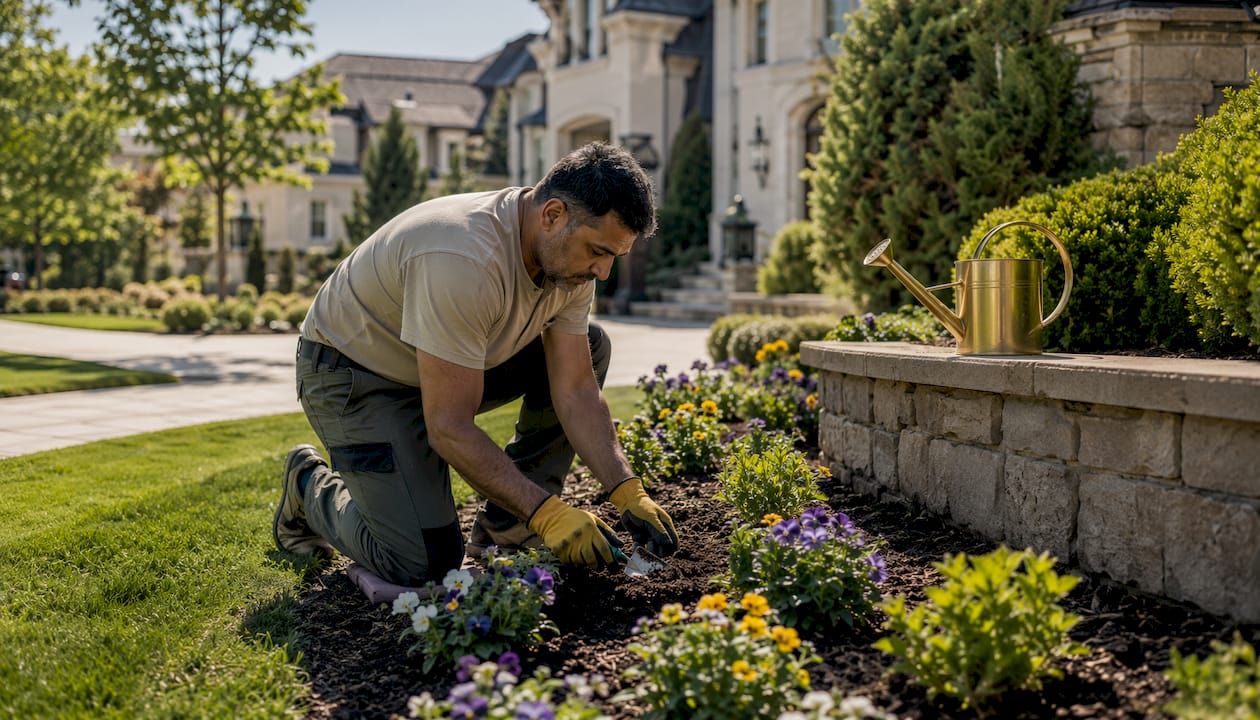
The lifestyle gains from a larger lot come with real holding costs, and buyers who underestimate them get surprised quickly. Landscaping is the most common shock. A one-acre luxury lot with mature trees, irrigated lawn, seasonal color, and a pool surround can run $2,000–$4,000 per month in professional maintenance depending on the market and the scope. That is before irrigation water costs, which on a large lot in a Texas summer are not trivial.
Property taxes scale with assessed value, and a lot premium adds directly to the tax base. Insurance costs also rise with lot size when structures like guest houses, sport courts, or detached garages are present. Holding-cost rules designed for investors — like the 7% or 70% rules — are useful for rental or flip analysis but do not translate into lot valuation logic for owner-occupied luxury purchases. They are budgeting frameworks, not appraisal tools.
Zoning and entitlement constraints shape what you can do with extra land over time. Minimum lot sizes, ADU rules, and lot-split regulations vary by municipality and can either add or subtract from a parcel’s long-term value. A two-acre lot in a jurisdiction that allows an ADU and a future lot split carries different upside than the same parcel in a municipality that prohibits both.
Environmental stewardship is increasingly a factor in luxury markets. Large irrigated lots carry significant water consumption, and some municipalities are moving toward tiered water pricing or conservation requirements that raise the cost of maintaining estate-scale landscaping. Tree preservation ordinances in communities like Prosper and Frisco can also restrict what you remove or build near protected specimens, which affects both maintenance costs and buildability.
How to choose the right lot size for your luxury priorities
The right lot size depends on what you actually plan to do with it. A buyer who wants a private retreat with a pool and outdoor kitchen has different needs than one who wants a low-maintenance lock-and-leave property. Getting clear on your priorities before you start touring saves time and prevents you from overpaying for acreage you will not use.
Work through these questions before you evaluate specific lots:
- Privacy vs. maintenance: How much outdoor upkeep are you willing to manage or pay for? More land means more cost.
- Entertaining scale: Do you need space for large gatherings, a full outdoor kitchen, and a pool complex, or is a well-designed smaller yard sufficient?
- Hobby uses: Equestrian facilities, sport courts, and putting greens each have minimum space requirements. Know yours before you shop.
- Future expansion: Do you want the option to add a guest house, ADU, or additional structure later? Confirm zoning allows it.
- Neighborhood norm: A lot significantly above the neighborhood norm may be harder to appraise and slower to sell. Luxury homes already take longer to sell than standard properties; an outlier lot adds another variable.
- Utilities and access: Confirm water, sewer, and gas service to the lot. Rural-adjacent parcels sometimes require well and septic, which changes both cost and buildability.
- Visible easements and nuisances: Walk the perimeter. Power lines, drainage channels, and traffic noise are deal-changers that photos never show.
Red flags that should pause your offer strategy: visible drainage swales crossing the rear yard, heavy slope changes in the buildable area, major utility easements running through the center of the parcel, and poor or shared driveway access. None of these are automatic disqualifiers, but each one requires a specific plan and a price adjustment before you proceed.
How lot size is priced and marketed in North Dallas luxury markets
In Prosper, Frisco, and Celina, lot attributes drive meaningful price differentiation even within the same subdivision. Buyers in these markets consistently pay premiums for cul-de-sac placement, lots backing to greenbelt or park space, and parcels with enough depth to create genuine rear-yard privacy from neighboring two-story homes. The lot-size options in communities like Star Trail illustrate how builders and sellers price these attributes into the ask from the start.
When Kamilashayehomes evaluates a lot for a buyer client, the process includes pulling the recorded plat, reviewing any survey on file, walking the site to assess slope and drainage, and running paired sales to isolate the lot premium from the structure. Paired sales — two homes with similar floor plans but different lot attributes — are the cleanest way to quantify what the market is actually paying for a privacy buffer or a greenbelt view. That analysis matters most when the lot premium is large and the appraisal comparables are thin.
The marketing angle matters on the listing side too. A lot backing to a park or a greenbelt needs to be photographed and described in a way that communicates the permanence of that separation. Buyers who have not visited the property need to understand that the open space behind the home is protected, not just currently undeveloped. That distinction is the difference between a premium and a question mark in a buyer’s mind.
For relocating buyers, particularly those coming from Canada to North Dallas, the lot norms here can be a genuine surprise. Suburban luxury in the DFW area often means larger parcels and more outdoor living space than comparable price points in Toronto or Vancouver, which changes both the lifestyle calculus and the maintenance budget conversation.
Key Takeaways
Lot size in luxury real estate is a lifestyle and scarcity driver, not a linear price-per-square-foot calculation — usable acreage, shape, and privacy buffers consistently outperform raw acreage as value predictors.
| Point | Details |
|---|---|
| Usable acreage beats gross acreage | Setbacks, easements, and slope reduce the functional envelope well below the listed parcel size. |
| Shape and privacy drive premiums | Lots backing parks, greenbelts, or cul-de-sacs command consistent premiums because of scarcity and permanence. |
| Appraisals expand in luxury markets | Luxury appraisers search up to 10 miles and look back — to find comparable estate sales. |
| Holding costs scale with lot size | Landscaping, irrigation, taxes, and insurance add up quickly on larger parcels — budget before you buy. |
| Kamilashayehomes evaluates lots locally | Paired-sale analysis and on-site review in Prosper, Frisco, and Celina isolate the lot premium from the structure. |
One thing most buyers get wrong about lot size
The most common mistake is treating lot size as a simple more-is-better decision. Buyers see a large acreage number and assume it translates directly into value. It often does not. An oversized, awkwardly shaped parcel in a neighborhood where the norm is half an acre can actually be harder to sell, harder to appraise, and more expensive to maintain than a well-proportioned lot that fits the street.
The more useful frame is functional fit. Does the lot support the lifestyle you actually want? Can it accommodate the outdoor amenities you plan to build? Does it give you the privacy you are paying for, or does a neighbor’s roofline compromise the rear yard regardless of how many acres you own? Those questions matter more than the acreage figure on the listing sheet.
There is also a negotiation angle that buyers miss. When a lot has a visible constraint — a drainage easement, a slope issue, a utility corridor — that constraint is a legitimate basis for a price reduction or a repair credit. Negotiating lot value into the offer is a skill, and it requires knowing what the constraint actually costs to work around before you sit down at the table.
Kamilashayehomes helps you evaluate what a lot is actually worth
Buying a luxury home in North Dallas without a clear read on lot value is one of the fastest ways to overpay or undersell. Kamilashayehomes offers buyers a lot-focused evaluation that goes beyond the listing sheet: on-site review of slope, drainage, and easements; coordination of surveys when needed; paired-sale research to isolate what the market is paying for specific lot attributes; and negotiation support when constraints affect price.
For sellers, the same analysis informs how a lot’s best features get positioned in marketing — whether that is a greenbelt view, a cul-de-sac address, or a buildable envelope large enough for a guest house. That positioning is the difference between a fast sale at ask and a property that sits while buyers wonder what they are actually getting.
If you want a clear picture of what your lot is worth — or what a lot you are considering is actually delivering — request a home valuation with Kamilashayehomes and get a lot-specific read from an agent who knows these communities from the ground up.
Further reading and useful sources
The sources below offer deeper context on appraisal mechanics, lot valuation principles, and luxury market dynamics. For case-specific valuations, always work with a licensed appraiser and a local agent who can run paired sales in your target market.
- How lot size affects appraisals: LegalClarity — appraisal adjustments for setbacks, easements, and usable acreage
- Lot size and property value: CMAGPT — neighborhood norms, paired sales, and scarcity premiums
- Valuing a luxury estate: Gregory C. Frank — thin comparables and the 3-3-3 rule in high-end appraisals
- Lot shape in luxury real estate: Arizona Luxury Homes — how shape affects privacy, outdoor living, and resale
- Luxury home buying process in 2026 — cross-market perspective on due diligence and lot-driven value
FAQ
How much does lot size affect home value in luxury markets?
Lot size affects luxury home value significantly, but not linearly. The first increment above the neighborhood norm carries the largest premium; additional acreage shows diminishing returns unless it unlocks a specific use case like an ADU or equestrian facility.
What is the 70% rule, and does it apply to luxury lot purchases?
The 70% rule is a fix-and-flip investor guideline stating you should pay no more than 70% of a home’s after-repair value minus repair costs. It does not apply to owner-occupied luxury purchases, where lot value is determined by market comparables and appraiser judgment, not investor return formulas.
What is the 3-3-3 rule in real estate appraisals?
The 3-3-3 rule is a standard appraisal guideline requiring comparable sales within certain distance and time frames; for luxury estates, appraisers often expand these parameters to find suitable comparables due to scarcity.
What lot size is best for a luxury home?
There is no universal answer. The best lot size is the one that supports your specific outdoor amenities, delivers the privacy you want, and fits the neighborhood norm closely enough to appraise cleanly. In North Dallas luxury communities, Kamilashayehomes can run paired-sale analysis to show what the local market is actually paying for specific lot attributes.
Why does lot shape matter more than lot size in some cases?
An awkwardly shaped or heavily encumbered lot can deliver less usable space than a smaller, well-proportioned one. Setbacks, easements, slope, and drainage constraints all reduce the functional envelope, so a larger gross acreage number does not guarantee more outdoor living potential or a higher appraisal value.